Sports
Ken Barlow is forecasting more wet weather today–but a sunny weekend is on the way!
By Marcus Chen
Advertisement · Why this ad?
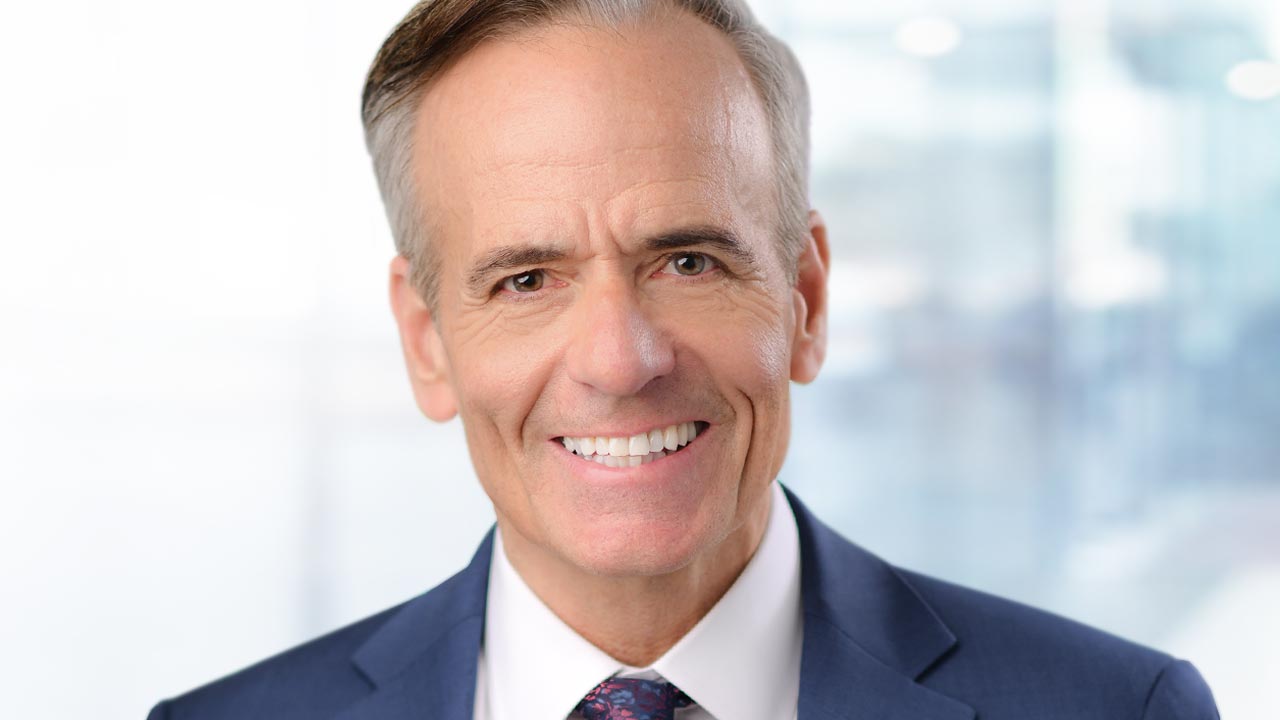
Katherine oversees editorial operations across all six brands. Before joining The Meridan Group, she spent 14 years at the Minneapolis Star Tribune, where she led the metro desk through its digital transformation. She holds a Master's in Journalism from Northwestern's Medill School.
More from Katherine →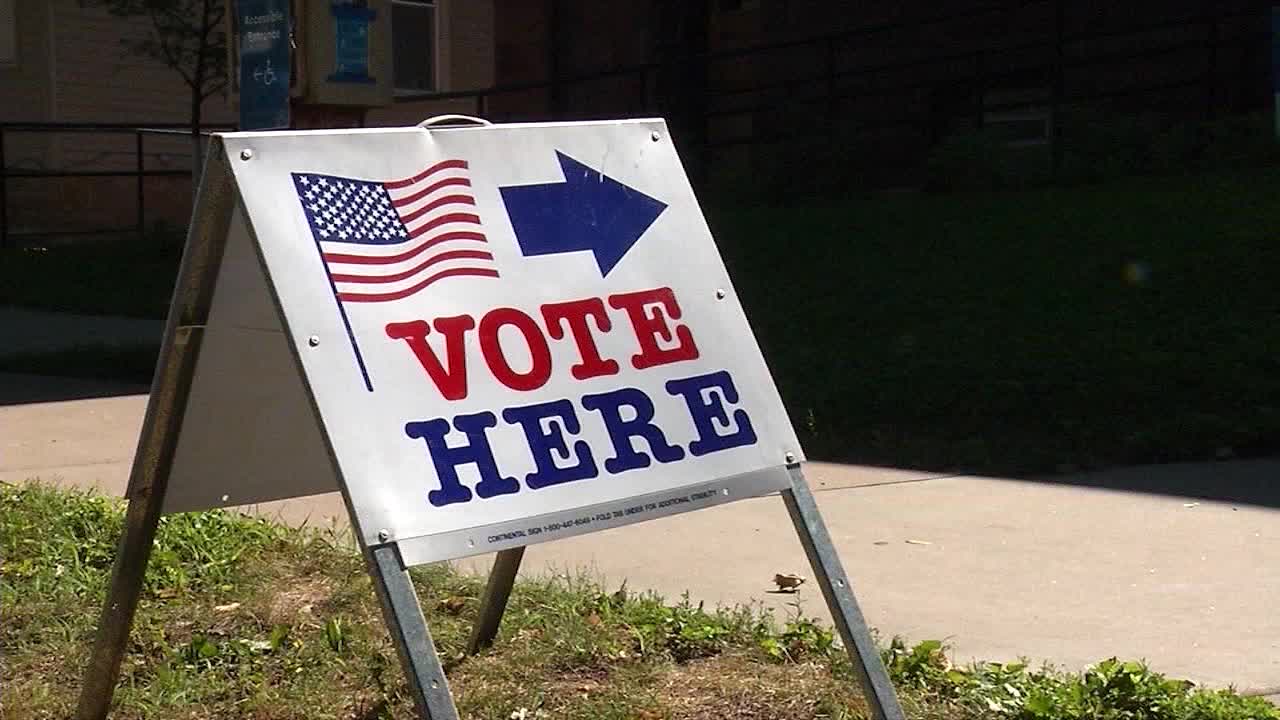
As the sun set over Minneapolis on a crisp November evening, the city buzzed with a palpable sense of civic pride. Voters from all walks of life lined up outside polling places, casting their ballots with the hope of shaping their community's future. This vibrant scene was a testament to Minnesota's unwavering commitment to democracy, culminating in a historic achievement: a new midterm election voter turnout record.
In the midterm elections of 2026, more than 2.8 million Minnesotans participated, according to unofficial results from the Minnesota Secretary of State’s Office. This figure surpassed the previous record set in 2018, when over 2.6 million voters cast their ballots, representing a turnout rate of 64.25%. In stark contrast, the 2022 midterm elections saw a turnout of 61.01%, with just over 2.5 million voters.
This surge in voter participation not only highlights Minnesota's dedication to civic engagement but also positions the state as a potential leader in national voter turnout. Preliminary estimates from the University of Florida’s Election Lab indicate that Minnesota could boast the highest voter participation rate in the nation for this election cycle.
The implications of this record turnout extend far beyond mere numbers. Voter engagement is a cornerstone of a healthy democracy, fostering a sense of community and shared responsibility among residents. As citizens exercise their right to vote, they contribute to shaping policies that reflect their values and priorities.
In a time when political polarization often dominates headlines, Minnesota's achievement serves as a reminder of the power of collective action. Local leaders and community organizations have worked tirelessly to encourage participation, emphasizing the importance of every vote. This record turnout is a reflection of those efforts, demonstrating that when citizens are mobilized, they can effect change.
Numerous grassroots initiatives played a significant role in driving voter turnout this year. Organizations such as Minnesota Votes and local civic groups launched campaigns focused on educating voters about the electoral process, emphasizing the importance of their participation. These efforts included door-to-door outreach, informational workshops, and social media campaigns designed to engage younger voters.
Moreover, many communities organized transportation services to polling places, ensuring that all residents, regardless of their circumstances, had the opportunity to make their voices heard. This level of commitment underscores a shared belief in the democratic process and highlights the strength of Minnesota's communities.
One particularly impactful initiative was the “Vote Together” campaign, which united various local organizations, including the NAACP, League of Women Voters, and local churches, to create a comprehensive outreach strategy. Volunteers from these organizations dedicated countless hours to register voters, particularly in underserved neighborhoods, where turnout historically lagged. Their efforts resulted in a significant increase in participation among young voters and communities of color, demonstrating the power of collaboration in fostering civic engagement.
In addition to traditional outreach methods, technology played a crucial role in this election cycle. Many organizations leveraged social media platforms to disseminate information about voting procedures, deadlines, and polling locations. Interactive tools and apps were developed to help voters check their registration status and learn about the candidates and issues on the ballot.
For instance, the “Vote Minnesota” app allowed users to access personalized voting information, including reminders about early voting and election day details. This tech-savvy approach resonated particularly well with younger voters, who are more likely to engage with information through their smartphones. The successful integration of technology into voter mobilization efforts not only enhanced accessibility but also fostered a sense of community among voters.
The excitement surrounding this midterm election is tempered by the knowledge that several races remain too close to call. As of November 4, four races in Minnesota are eligible for publicly funded recounts, with the losing candidates having the option to request them. For federal, constitutional, or judicial offices, a recount is warranted if the margin is less than 0.25%, while state legislative races require a margin of less than 0.5%.
This uncertainty adds an element of suspense to the election outcome, as candidates and their supporters await the certification of results by county canvassing boards in the coming weeks. On November 19, the State Canvassing Board will finalize the results for statewide elections and those spanning multiple counties.
The close races have sparked significant interest among the public and media, with many voters eagerly following the updates. Community forums and discussions have emerged, providing platforms for residents to express their opinions and concerns regarding the potential outcomes. This level of engagement exemplifies the ongoing commitment of Minnesotans to remain informed and involved in the democratic process.
The record turnout and the potential for recounts signal a dynamic political landscape in Minnesota. As new lawmakers prepare to take office, the focus will shift to the policies and initiatives they will champion. The engagement demonstrated by voters this year sets a precedent for future elections, emphasizing the importance of continued civic involvement.
Moreover, the success of voter mobilization efforts serves as a model for other states seeking to enhance participation in the electoral process. By fostering a culture of engagement and education, communities can empower their residents to take an active role in shaping their future.
Local leaders and citizens alike have expressed their thoughts on the record turnout. Minneapolis Mayor Jacob Frey stated, “This turnout is a testament to the strength and resilience of our communities. We are committed to ensuring that every voice is heard.” His sentiment reflects the broader belief that civic engagement is essential for the health of democracy.
Community activist Maria Gonzalez, who worked tirelessly with local organizations to mobilize voters, shared her excitement about the turnout. “Seeing so many people come together to vote is inspiring. It shows that our efforts made a difference, and we will continue to push for even greater participation in the future.”
As Minnesota reflects on this historic achievement, the hope is that this momentum will carry forward, inspiring even greater participation in upcoming elections. The commitment to democracy, strong families, and community values remains a guiding principle for many Minnesotans, as they look to build a brighter future for generations to come. This election cycle has not only reinforced the importance of voting but has also sparked a renewed sense of community and collaboration among residents, setting the stage for a more engaged and informed electorate in the years to come.
By Marcus Chen
By Marcus Chen
By Marcus Chen

By Katherine Langford