
Schools
St. Paul Board of Education to hold special meeting amid pushback on ELL educator cuts
By Marcus Chen
Advertisement · Why this ad?
Marcus manages the day-to-day editorial workflow across all brands, coordinating coverage assignments and ensuring editorial standards are met. He previously served as city editor at the Pioneer Press and holds a degree in Political Science from Carleton College.
More from Marcus →
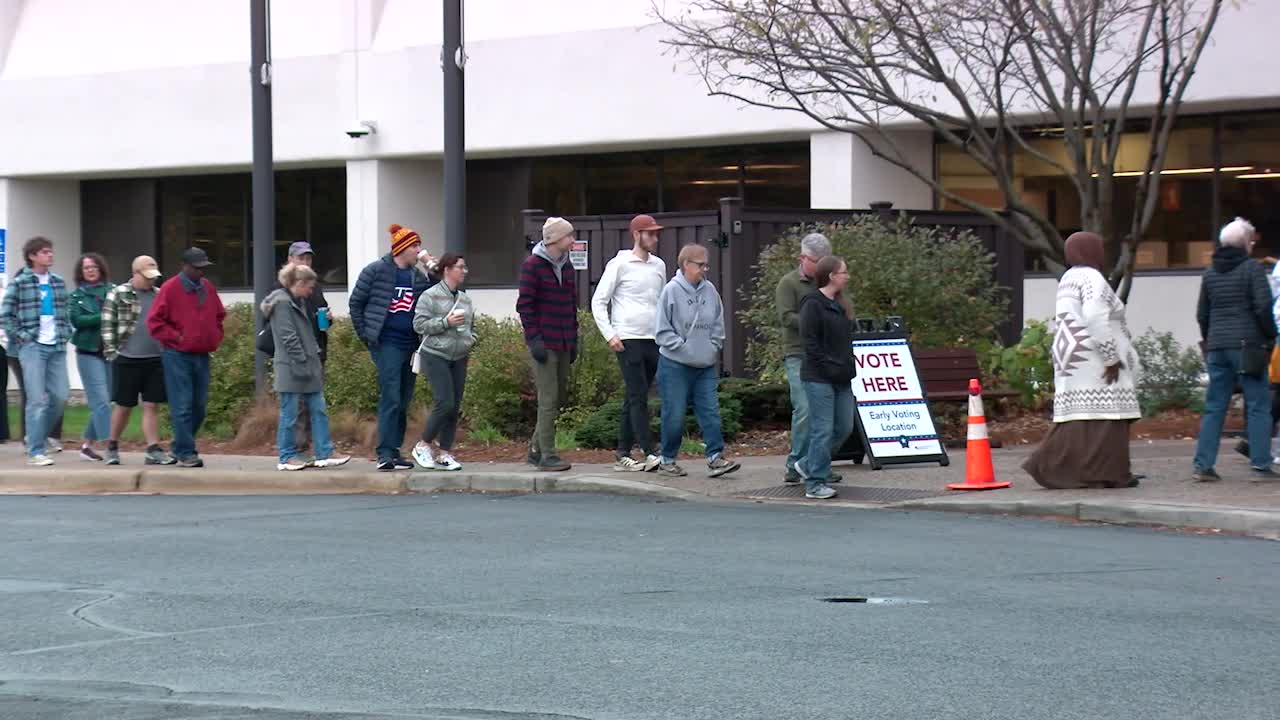
As the sun rose over Minneapolis on a crisp November morning, parents and educators gathered outside polling places, clutching their ballots like lifelines. For many, this election day represents a pivotal moment for public education funding in Minnesota. On the ballot is a constitutional amendment that could significantly increase financial resources for public schools without raising taxes, a prospect that has drawn both hope and skepticism from the community.
On Tuesday, Minnesota voters will decide on a bipartisan amendment aimed at doubling the funding public school districts receive from the state’s permanent school fund. The proposed change would increase the annual distribution from 2.5% to 4.5%, allowing schools to access nearly double the funds they currently receive. This amendment is set against the backdrop of a growing trust fund, which has ballooned to at least $2.3 billion since its inception in 1858, when Minnesota became a state.
The permanent school trust fund was established after the federal government donated millions of acres of land for educational purposes. Revenue generated from leasing mineral rights and timberland was designated to support public schools. Over the years, the fund has seen remarkable growth, nearly quadrupling since 2010, and last year, it contributed $58 million to the state's public schools. If the amendment passes, that figure could soar, providing much-needed financial relief to districts across Minnesota.
The potential increase in funding will have varying impacts on school districts throughout the state. For smaller districts like Bagley Public Schools, the boost would be modest, increasing from approximately $61,000 to just over $90,000. In contrast, Anoka-Hennepin, the largest school district in Minnesota, stands to gain more than $1.3 million, raising its total from $2.5 million to $3.8 million. This disparity highlights the amendment's potential to level the playing field for schools that have struggled with limited resources.
Christine Tucci Osorio, the superintendent of North St. Paul-Maplewood-Oakdale School District, expressed the urgency of the situation. "When I say every single dollar counts, I am not even kidding you," she stated. The district, facing tight budgets, would see its funding increase from $713,000 to $1.058 million if the amendment is approved. Osorio emphasized the gravity of their financial discussions, where decisions about basic supplies become critical.
The response from the community has been mixed, with supporters rallying behind the amendment as a necessary step toward improving educational resources. Many parents and teachers are advocating for the measure, emphasizing the need for increased funding to enhance classroom experiences and support student success. The potential for additional funds has sparked optimism among educators, who see it as an opportunity to invest in programs that directly benefit students.
However, some opponents raise concerns about the long-term sustainability of the trust fund. They argue that increasing distributions could deplete the fund over time, potentially jeopardizing future funding for schools. Yet proponents counter that the fund has consistently earned an average of 8% annually, suggesting that it can sustain increased distributions while still supporting public education in the long term.
The stakes are high for the future of education funding in Minnesota. If voters choose to leave the question blank on their ballots, it will be counted as a “no” vote, which has raised concerns among advocates who fear that apathy could undermine the amendment's chances of passing. The amendment's supporters are working diligently to educate voters about the importance of their participation in this election.
For many families, the outcome of this vote is not just about numbers; it represents a commitment to the education and future of their children. The potential increase in funding could facilitate improvements in curriculum, technology, and extracurricular activities, fostering a more enriching environment for students.
To understand the real impact of the proposed amendment, it’s essential to hear from those directly affected. Local teachers like Sarah Martinez, who has been teaching in the Minneapolis Public Schools for over a decade, shared her perspective: "Every year, we face budget cuts that limit our ability to provide students with the resources they need to thrive. This funding could mean more art supplies, better technology, and even field trips that create lasting memories for our students."
Parents are equally invested in the outcome. Maria Gonzalez, a mother of three children in the North St. Paul district, expressed her hopes for the amendment: "I want my kids to have the best education possible. If this amendment passes, it could help ensure that our schools have what they need to support their learning and development."
As the election unfolds, the focus will shift to the implications of the amendment if it passes. School districts will need to prepare for the influx of funds and strategize on how to best allocate these resources to meet the needs of their students. This may involve hiring additional staff, upgrading facilities, or implementing new programs that have been on hold due to budget constraints.
In the aftermath of the vote, conversations surrounding education funding will likely continue. Advocates for public schools will need to monitor the fund's performance closely to ensure that it remains a viable source of support for years to come. The amendment's passage could serve as a model for other states grappling with similar funding challenges.
The role of community engagement will be crucial in the coming months. Schools will need to communicate transparently with parents and stakeholders about how the additional funding will be utilized. Building trust and fostering collaboration will be essential in ensuring that the funds are used effectively and that the community feels invested in the success of their schools.
As the results come in, the hope is that the amendment will not only provide immediate relief but also lay the groundwork for a stronger educational system in Minnesota. The commitment to public education must be reflected in sustained support from both the government and the community, ensuring that every child has access to quality education.
The upcoming vote represents a significant opportunity for Minnesota voters to impact public education funding positively. By approving the amendment, they can help secure a brighter future for students across the state. As families and educators head to the polls, the message is clear: every vote matters. The future of public school funding hangs in the balance, and the community's voice will determine the outcome. The amendment's success could empower other states to pursue similar initiatives, fostering a nationwide dialogue on the importance of investing in education.
By Marcus Chen
By Katherine Langford

By Marcus Chen

By Marcus Chen